
Neuroplastic Pain and Emotions: Why We're Afraid to Feel Them (and How to Start)
Why are we so afraid to feel our emotions?
Strong emotions are hard. They hurt. As kids, most of us coped by learning not to feel them at all — especially if we didn't have a safe place to express ourselves. I suppressed mine because my emotions upset my mom. Even my happy, joyful feelings were too much for my dad, especially with other people around. He kept his kids under control. He didn't want us making a scene or drawing attention.

Sitting with a feeling is how it moves through you.
Patterns like these are set in childhood and stick around until we become aware of them and do the work to change them. If you're dealing with neuroplastic pain — also called tension myositis syndrome (TMS) or mind-body pain — this is often where the real work begins. Emotional suppression is one of the biggest drivers of chronic pain, and learning to feel again is one of the most powerful tools for recovery.
Where do you even start, after a lifetime of suppression?
This is a practice. It takes time. But if you start slow, you'll get more comfortable — I promise. Here are a few steps that have helped the clients I coach through pain reprocessing therapy and me.
How to Start Feeling Your Emotions Again
I'm finally learning that I can tend to myself. I don't have to push through. It's okay to stop and let myself feel. The feelings and sensations I worked so hard to avoid for so long aren't scary monsters hiding under the bed. They're part of me, as a whole person, and they deserve attention. All of me deserves attention. All of you deserve attention.
Here's how to begin. Be kind and gentle with yourself as you do.
Sit with yourself daily and notice the sensations in your body. Just notice — that's it, that's step one.
Try naming what you notice. Is it a sinking feeling in your stomach? Openness in your chest? Does it feel uncomfortable? Describe it to yourself.
Stop if it gets too uncomfortable. You'll get more comfortable with time. Baby steps count.
If you feel safe enough, stay with the feeling until it passes. You might notice sadness, anger, emptiness, loneliness — all of it is okay. All of it is part of being human.
Work with a therapist or pain recovery coach if you need support along the way.
Start journaling your emotions. Getting them onto paper is its own kind of feeling.
According to Plutchik’s Wheel of Emotions, shown in the below above, there are eight primary emotions and several emotions that fall underneath those.
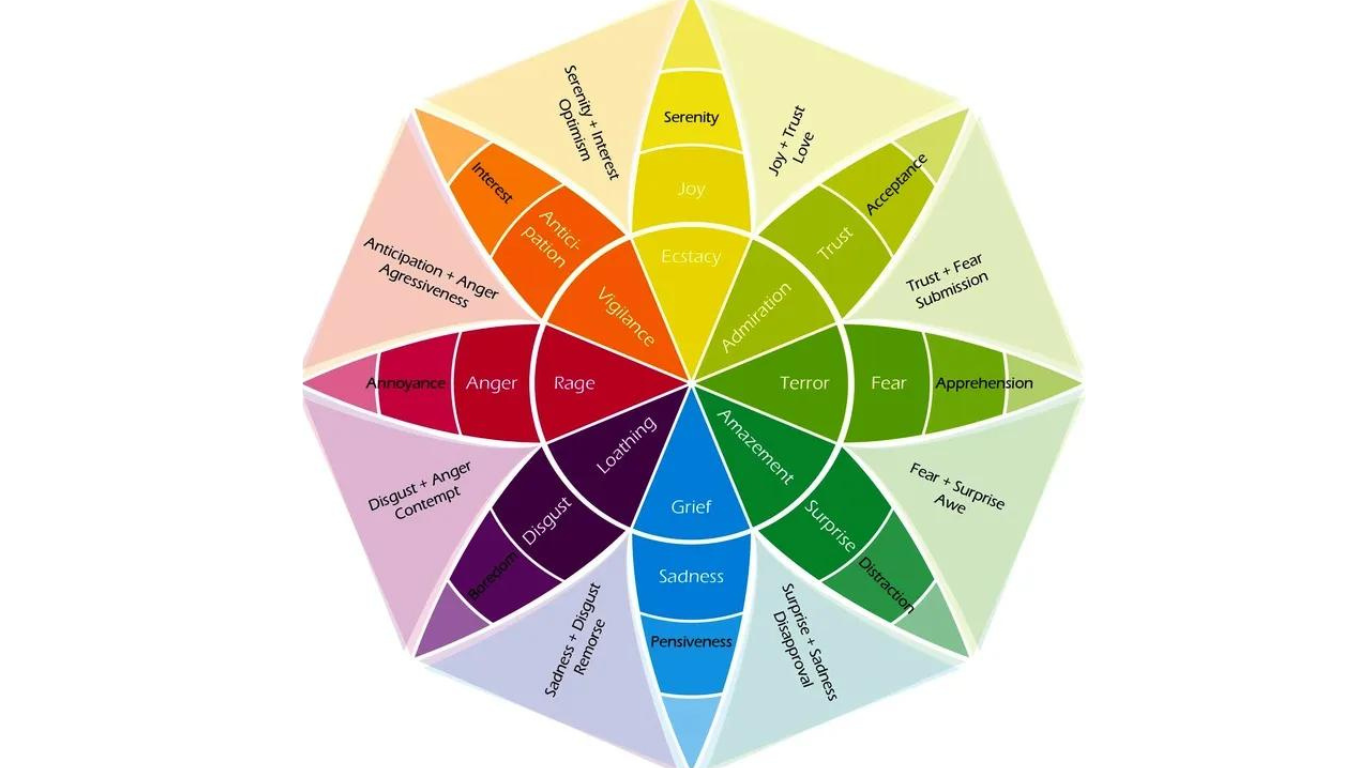
If you look at the outer part of the wheel, you will see less intense versions of the eight primary emotions. The innermost part of the wheel shows the most intense versions of the basic emotions. It might help to use this as a guide to identify what you are feeling.
There Is Freedom in Feeling
Dr. Joe Dispenza calls this emotional elegance: "the ability to experience your feelings fully without being controlled by them. It's when you no longer need to suppress or avoid negative emotions. Instead, you will welcome all experiences as valuable sources of information, recognizing that even painful feelings carry important lessons."
When we ignore our emotions, they only get bigger and scarier. They follow us around. When we face them — our fears, our hurts, our weaknesses, all the parts of ourselves we want to deny — they get smaller. When we bring them into the light, they lose their power. They stop being scary. They just become part of our whole human experience. We realize all of us is okay, including our emotions. We're safe to shine a light on them.
The most extraordinary form of self-love is allowing ourselves to experience our emotions fully and authentically. When we do, our nervous system settles down, and our fear brain starts to take a back seat so our rational brain can take over. We feel safe. Our world gets brighter and more open, and we give our neuropathways one more corrective experience, which, according to https://www.painreprocessingtherapy.com/, is “Exposure to a fear-inducing stimulus resulting in a reduction of fear.”
Want to know more about how emotional suppression shows up as physical pain? Read What Are the Symptoms of TMS? to learn about the full range of symptoms that fall under the chronic pain umbrella.
For more on breaking the pain cycle, check out 10 Steps to Retrain Your Brain Out of Pain.
Ready to work through this with support? Get in touch or schedule a free consultation.
FAQ: Emotions, Suppression, and Neuroplastic Pain
What is neuroplastic pain? Neuroplastic pain — also called TMS (tension myositis syndrome) or mind-body pain — is real physical pain generated by the brain and nervous system rather than by structural damage. It's often triggered or maintained by suppressed emotions, stress, and learned nervous system patterns, which is why emotional work is such a key part of recovery.
Why do I suppress my emotions without realizing it? Most of us learned to suppress emotions as kids, usually because it wasn't safe to express them. Maybe your feelings upset a parent, or you were taught to keep things quiet and controlled. Those patterns become automatic, and they stay in place until you become aware of them and actively practice something different.
Can suppressing emotions actually cause physical pain? Yes. When emotions are pushed down rather than processed, the nervous system stays on high alert, which can manifest in the body as chronic pain, tension, or other physical symptoms. This is the core idea behind pain reprocessing therapy and TMS recovery work — the pain is real, and so is the emotional root driving it.
How do I start feeling my emotions again after years of avoiding them? Start small. Sit quietly and notice sensations in your body without judging them. Try naming what you feel. If it gets too intense, stop — you can always come back to it. Over time, with practice, you'll build tolerance for sitting with emotions until they naturally pass.
What if feeling my emotions feels unsafe or overwhelming? That's common, especially if suppression has been your pattern for a long time. Go slowly, and don't push past what feels manageable. Working with a therapist or pain recovery coach can provide the support and safety to do this work at a pace that suits you.
Do I have to journal or talk to feel my emotions, or are there other ways? Journaling and talking help, but they're not the only paths. Some people process emotions through art, music, or writing — my brother, for example, works through his emotions by writing fiction. The method matters less than consistency. Find what lets you connect with what you're feeling.